Skip to content
  • Community Resources
  • Contact
Central County Fire & Rescue Logo
  • AboutExpand
    • Board of Directors
    • District Map
    • History
    • Meet the Team
    • Station Information
    • Career Opportunities
    • In Memoriam
  • BusinessesExpand
    • 911 Incident Notification
    • Bids & Notices
    • Codes and Ordinances
    • Inspections and Permits
    • Training and Speakers
    • Survey
  • ResidentsExpand
    • Programs Overview
    • Smoke Alarms
    • Station Tours
    • Open Burn Permits
    • Fire Extinguisher Training
    • Community Outreach
    • Community Resources
    • Product Recalls
    • Rapid Assistance for Citizens During Emergencies (RACE)
    • Safe Place
    • Survey
  • Safety
  • News
Central County Fire & Rescue Logo

Hydrant Testing 2013

Home » News » Hydrant Testing 2013

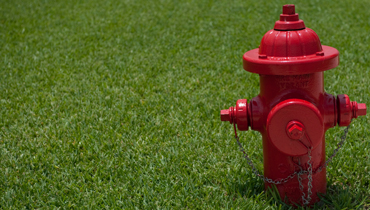
fire hydrant
CCFR To Test 3,554 Fire Hydrants

During a fire is not the time to make sure a fire hydrant is accessible and working properly.

Starting April 1, Central County Fire & Rescue (CCFR) crews will be out on the streets checking the 3,554 fire hydrants when they are not responding to emergency calls.

“Throughout the year accidental damage, mechanical malfunctions and changes to the area surrounding the hydrant can occur,” says CCFR Chief Russ Mason. “It is important to make sure each hydrant is accessible and has a working water supply.” All fire hydrants should be unobstructed, and have a minimum of three feet of open space around them. During the testing firefighters check and clean the threads of the hydrant, flush the lines and check for working condition and flow levels.

The National Fire Protection Association (NFPA), and the Insurance Services Office (ISO), which helps determine homeowner insurance rates, recommends fire hydrant testing for the safety of residents.

Residents may notice water discoloration during, and for a short time following, the hydrant testing. This is caused by fine amounts of sediment being flushed out of the water main lines. It is not harmful, and the water will return to normal shortly after the testing. “If you notice a discoloration we recommend running cold water for five minutes, this should allow all of the sediment to clear from the line,” says Mason.

footer image
Central County Fire & Rescue Logo with no text

CONNECT WITH US

Central County Fire & Rescue
1220 Cave Springs Blvd.
St. Peters, MO 63376
636-970-9700

© 2025, All Rights Reserved. Central County Fire Protection District. Web Development by Spencer Web Design, Inc.

  • About
    • Board of Directors
    • District Map
    • History
    • Meet the Team
    • Station Information
    • Career Opportunities
    • In Memoriam
  • Businesses
    • 911 Incident Notification
    • Bids & Notices
    • Codes and Ordinances
    • Inspections and Permits
    • Training and Speakers
    • Survey
  • Residents
    • Programs Overview
    • Smoke Alarms
    • Station Tours
    • Open Burn Permits
    • Fire Extinguisher Training
    • Community Outreach
    • Community Resources
    • Product Recalls
    • Rapid Assistance for Citizens During Emergencies (RACE)
    • Safe Place
    • Survey
  • Safety
  • News
Search